
Introduction
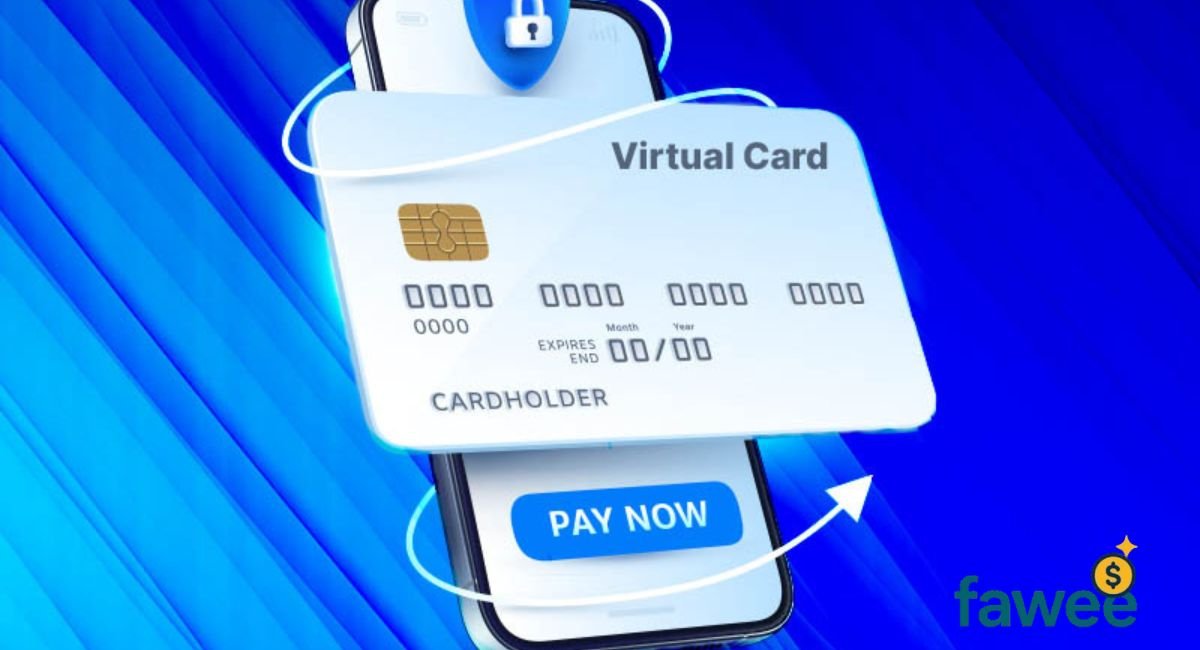
Virtual Cards are kinda changing how we pay — for everything. You know, in today’s digital world, speed and security really matter. And these cards? They’re 100% online. No plastic, no waiting. Just instant, safe payments whenever you need them.
Businesses use Virtual Cards to handle expenses, pay vendors, and keep track of every dollar — all without the mess of physical cards. Each one can have its own limit, its own rules. That means no surprise charges, no fraud headaches.
They also make life easier for finance teams — more control, less paperwork. And honestly, that’s what every modern business needs. As payments keep moving digital, Virtual Cards are becoming the smarter, faster, safer way to manage money in a connected world.
What Is a Virtual Card and How It Works
Understanding the Concept
A Virtual Card is a digital version of your regular payment card — just without the plastic. Created online by a bank or fintech platform, it works the same way for online purchases or mobile wallets like Apple Pay and Google Wallet.
Each card has its own number, CVV, and spending limit. You control how it’s used — who spends, how much, and where — giving you safer payments and total transparency.
How It Works
When you generate a Virtual Card, your bank issues a unique, encrypted card number linked to your business account. You can assign it to a specific vendor, project, or employee and set limits or expiry dates for extra security.
Once the payment’s done, the card can automatically expire — so there’s nothing left for fraudsters to misuse. It’s faster, cleaner, and much safer than sharing one physical card across your team.
Why Businesses Use Virtual Cards
Companies are adopting Virtual Cards because they make spending smarter. Every transaction is trackable, limits are customizable, and there’s no risk of loss or misuse. They simplify reconciliation, reduce fraud, and often come with cashback or rewards.
The Bottom Line
Virtual Cards are the future of business payments — secure, flexible, and built for a digital-first world. They give you real-time control, better protection, and smoother expense management — all in one smart tool.
Key Types of Virtual Cards
So, you know, not all virtual cards are the same. There are a few types — each kinda made for different payment needs. Let’s go through them one by one.
Single-Use Virtual Cards
These are like, one-and-done cards. You create ‘em for a single payment — maybe to pay a vendor or, I don’t know, some freelancer you hired online. Once the payment’s done, poof, the card just expires. Super safe because it can’t be used again. Honestly, I like this one when you just want zero risk and no surprises later.
Multi-Use Virtual Cards
Now, these are for stuff you pay for again and again — like subscriptions, tools, or vendor retainers. You can set limits or time rules on them, which is nice. You don’t have to keep re-entering card info each month. Makes life easier, and yeah, you still get full control over every spend.
Prepaid Virtual Cards
These ones are kinda like digital wallets. You load some money in first, and that’s all that can be spent — no more, no less. Perfect for employee rewards or travel budgets. I’ve seen teams use ‘em for marketing or event expenses too. Since it’s not tied straight to your main account, it’s an extra layer of safety.
Credit-Based Virtual Cards
Alright, these are more like regular credit cards, but digital. You get a credit line, use it for payments, and pay it off later. Great for handling supplier costs or bigger purchases. Plus, many of these come with cashback or reporting tools — so you’re not just spending, you’re actually learning from your spending. Pretty cool, right?
Business vs. Personal Virtual Cards
So yeah, individuals can use virtual cards too — mostly to stay safe online. But businesses? They use ‘em for totally different reasons. They assign cards to teams or employees, track every dollar, and set their own spending rules. Keeps everyone honest, you know?
Choosing the Right One
Honestly, it depends on what you’re trying to do. Need extra security? Go for single-use. Got recurring payments? Multi-use is your friend. Want tight control? Prepaid’s perfect. Need flexibility or cashback? Credit-based is the move. Most smart companies use a mix — it just makes managing money a whole lot smoother.Top of Form
Virtual Cards vs. Traditional Payment Methods
You know, not too long ago, most companies were still using paper checks, cash, or those slow bank transfers. It worked, sure — but man, it was messy. Lots of waiting, lost receipts, and, honestly, a ton of manual work. These days though, Virtual Cards are totally changing how businesses handle payments. Everything’s digital, faster, and way more organized.
The Shift from Paper to Digital Payments
So here’s the thing — paper payments feel kinda outdated now. They take forever and usually need someone to track them down later. With Virtual Cards, payments are instant, traceable, and totally online. No paperwork, no delays, no confusion. It just makes sense for modern teams who don’t want to deal with manual errors.
Security and Fraud Prevention
Traditional payments can get a little risky — they expose your actual bank details, and that’s a big no-no these days. Virtual Cards fix that by creating a fresh card number every time you pay. Even if one gets compromised, it’s useless afterward. You can also set limits, track spending live, and stop suspicious activity before it becomes a problem. That’s some serious peace of mind.
Payment Speed and Efficiency
Checks take days. Bank transfers? Sometimes even longer. But with Virtual Cards, the payment goes through right away. Vendors love it because they get paid faster, and finance teams don’t have to chase invoices. It’s just smoother all around — faster cash flow, fewer headaches.
Transparency and Expense Tracking
If you’ve ever tried matching receipts to transactions manually, you know how painful that can be. Virtual Cards make that process automatic. Every card is tied to a project, vendor, or employee, so you can literally see where the money’s going in real time. No more digging through spreadsheets at the end of the month.
Cost and Rebate Opportunities
Paper checks, postage, wire fees — it all adds up. Virtual Cards skip all that. In fact, many even give cashback or rebates on transactions. So instead of payments costing you money, they can actually earn some back. Not bad, right?
Flexibility and Control
Once you send a payment the old-fashioned way, it’s gone — you can’t really control what happens after. Virtual Cards change that. You can set limits, restrict merchants, or even make cards expire after one use. It’s flexible and gives you way more control over your budget.
Why Modern Businesses Prefer Virtual Cards
At the end of the day, businesses want three things: speed, security, and control. Virtual Cards tick all those boxes. They’re easier to manage, safer to use, and smarter overall. Compared to the old-school methods, it’s honestly like upgrading from a flip phone to a smartphone — once you switch, you’re not going back.
Benefits of Using Virtual Cards
Honestly, switching to Virtual Cards just makes life easier for most businesses. It’s faster, safer, and way more transparent than the old-school stuff like checks or wire transfers. Here’s how it really helps:
1. Enhanced Security and Fraud Protection
Let’s start with the big one — security. Every Virtual Card comes with its own unique number, made just for that transaction or vendor. If someone tries to steal or reuse it, it’s basically useless. That means no random charges or leaks. For companies juggling lots of payments every day, that peace of mind is huge.
2. Streamlined Expense Management
If you’ve ever dealt with manual payment tracking, you know how messy it gets — piles of receipts, endless spreadsheets. Virtual Cards fix that. Each transaction gets logged automatically, so you can instantly see who spent what, where, and when. It’s neat, organized, and transparent.
3. Faster Payments and Better Cash Flow
Checks take days. Wire transfers? Also slow. But Virtual Cards? Instant. Vendors get paid right away, which keeps everyone happy and business running smoothly. Plus, you can sometimes score early payment discounts just because you’re that fast.
4. Cost Savings and Efficiency
Paper checks aren’t just old-fashioned — they’re expensive. Printing, postage, processing… it all adds up. Virtual Cards kill those costs and even give you cashback or rebates in some cases. So instead of paying more to pay others, you actually save — or even earn — a bit back.
5. Greater Control and Customization
Here’s where it gets fun: you can control everything. Spending limits, expiration dates, approved vendors — all pre-set. Want to give your marketing team a card just for ad spend? Easy. Need a one-time card for a freelancer? Done. It’s total control with zero micromanaging.
6. Seamless Integration with Business Systems
Most Virtual Card platforms plug right into your accounting tools like QuickBooks or NetSuite. No double entry, no manual uploads. The data just syncs automatically. You save time, reduce errors, and your books stay clean — it’s every finance team’s dream.
7. Sustainability and Paperless Operations
Going digital isn’t just smart — it’s greener. Ditching paper checks and envelopes cuts waste and helps your business stay eco-friendly. It’s a small change that looks great in your sustainability report too.
8. Real-Time Insights and Reporting
One of the coolest parts? You don’t have to wait days to see what’s been spent. Virtual Cards give real-time data, so you can track budgets live and spot trends before they turn into problems. Finance teams finally get the visibility they’ve been craving.
9. Employee Convenience and Flexibility
No more waiting around for a physical card to arrive. Employees can get a virtual one instantly — straight to their phone or email. That means faster approvals, smoother reimbursements, and, honestly, happier teams.
10. Long-Term Financial Advantage
Over time, all these little wins — less fraud, more control, smoother systems — add up. Virtual Cards aren’t just a tool; they’re a long-term strategy for saving money, running cleaner operations, and staying ahead in the digital world.
Business Applications and Use Cases
Virtual Cards aren’t just a fancy new payment trick — they actually solve a lot of real-world business problems. Here’s where they really shine:
1. Vendor and Supplier Payments
Instead of mailing checks or waiting on wire transfers, companies can just send payments instantly with a Virtual Card. You can even issue a card for each vendor or payment amount. It’s fast, super secure, and easy to track — no more “did that payment go through?” moments.
2. Employee Expense Management
Travel, meals, supplies — whatever the need, finance teams can hand out Virtual Cards with spending limits and rules already in place. Employees get what they need right away, and you skip the whole messy reimbursement process. Everyone wins.
3. Corporate Travel and Lodging
For business trips, Virtual Cards make things a breeze. You can create single-use cards for hotels, flights, or transport and let the system handle the rest. Fraud risk goes way down, and expense reports practically fill themselves. It’s travel management without the chaos.
4. Marketing and Project Budgets
Got a campaign or event coming up? Just issue a Virtual Card for that specific project. You can track spending live and shut the card off when it’s done. No overspending, no budget drama — just clean, simple control.
5. Subscription and SaaS Payments
This one’s a game-changer for tech-heavy teams. Assign each subscription or SaaS tool its own Virtual Card, and you’ll never get hit with surprise renewals again. Pause, cancel, or update anytime — total control over recurring costs.
6. Incentives and Rewards
Need to reward your team or run a promo? Virtual Cards are perfect for quick incentives or customer payouts. They’re faster, cheaper, and honestly feel more modern than mailing out checks or gift cards.
7. Procurement and Supply Chain Payments
If your business handles lots of supplier orders, Virtual Cards make it easy to stay organized. Each card links directly to a purchase, so you can track every payment clearly. It keeps compliance tight and your records spotless.
8. Remote and Gig Worker Payments
Freelancers, contractors, global teams — they all love Virtual Cards. You can send funds instantly, no banking delays or weird currency issues. It’s a smoother, faster way to pay people anywhere.
9. Emergency or Temporary Spending
Need to handle a last-minute expense? Just spin up a new Virtual Card, use it once, and it’ll expire right after. It’s perfect for one-time purchases or emergencies where speed matters more than anything else.
10. Partner and Affiliate Payments
Affiliate commissions, customer refunds, partner bonuses — whatever it is, Virtual Cards handle it effortlessly. Payments go out instantly, and everything’s tracked automatically. Quick payouts make partners happy, and happy partners stick around.
Why Businesses Are Adopting Virtual Cards
From small startups to global enterprises, everyone’s making the switch — and for good reason. Virtual Cards bring speed, security, and full transparency to business spending. They cut costs, prevent fraud, and give you complete control over every transaction. In today’s digital economy, that’s not just convenient — it’s essential.
How Virtual Cards Improve Accounts Payable
Managing accounts payable can be a headache — invoices pile up, payments take forever, and tracking everything manually eats up time. That’s where Virtual Cards quietly change the game. They make paying vendors faster, safer, and way more organized.
1. Streamlining Supplier Payments
Instead of printing checks or sending bank wires, your AP team can issue a Virtual Card for each invoice or vendor — in seconds. The payment goes through instantly, and both sides see it right away. It’s smoother, cleaner, and builds trust with suppliers who appreciate fast, transparent payments.
2. Enhancing Payment Security
One of the best parts? Security. Traditional methods expose your account details, which can be risky. A Virtual Card generates a unique number for each payment that expires right after use. So, even if someone gets that number, it’s useless. No more sleepless nights over data leaks or fraud.
3. Simplifying Reconciliation and Reporting
Every Virtual Card transaction leaves a perfect digital trail. You can tie each payment to the right vendor or purchase order automatically — no more digging through spreadsheets or receipts. When month-end hits, everything lines up without the usual chaos.
4. Boosting Cash Flow and Working Capital
Here’s something people often overlook — Virtual Cards can actually help with cash flow. Many providers offer cashback or rebates on your AP spend. Add to that the ability to extend payment terms, and suddenly, you’re improving liquidity without doing much extra work.
5. Strengthening Supplier Relationships
Suppliers love fast payments — it’s simple. Paying through Virtual Cards ensures they get their money right away, which builds trust and long-term loyalty. When you pay quickly and consistently, vendors tend to return the favor with better deals and priority service.
6. Automating AP Workflows
Virtual Cards easily connect with ERP and accounting tools like QuickBooks or NetSuite. Once connected, the system can approve, issue, and record payments automatically. That means fewer manual entries, fewer mistakes, and a finance team that can finally focus on strategy instead of paperwork.
7. Better Spend Visibility and Control
With traditional payments, you often find out about expenses after the fact. Virtual Cards flip that around. Every payment shows up in real time — categorized, tracked, and visible from one dashboard. You can set limits, block certain merchants, or adjust spending rules in seconds.
8. Cutting Costs Across the Payment Cycle
Printing checks, mailing them, reconciling them — it all adds up. Virtual Cards wipe out those hidden costs. Plus, going paperless is better for the planet. You save money, time, and a few trees along the way.
9. Perfect for Remote and Global Teams
If your finance team works across cities or time zones, Virtual Cards are a dream. Everything runs online, so payments can be managed, approved, or tracked from anywhere. It keeps the process consistent and compliant, no matter where your people are.
10. The Future of Accounts Payable
Let’s be honest — AP has always been seen as a cost center. But with Virtual Cards, it’s turning into a value driver. Faster payments, stronger controls, real-time data — it all adds up to a smarter, more strategic finance function. It’s not just paying bills anymore; it’s building efficiency into the heart of your business.
Choosing the Right Virtual Card Provider
Not all Virtual Card providers are built the same. Some focus on rewards, others on automation — but the best ones give you the right mix of security, control, and flexibility. Here’s what to look for before you sign up.
1. Strong Security, No Compromises
First things first — your provider needs solid security. Look for encryption, tokenization, and real-time fraud alerts. You don’t want any gaps where data could slip through. Every transaction should be protected, every time.
2. Easy Integration with Your Tools
If you’re already using platforms like QuickBooks, Xero, or NetSuite, make sure your Virtual Card system plays nicely with them. The goal is simple — no more copy-pasting or manual entry. Everything should just sync automatically.
3. Full Control, Your Way
A good platform lets you set limits, choose where cards can be used, and even decide when they expire. You can create a card for a vendor, a team, or just one project — then shut it down when you’re done. Total flexibility, zero stress.
4. Rewards That Actually Pay Off
Here’s a nice bonus — some Virtual Card providers give cashback or rebates on payments. It might sound small, but those rewards can really add up over time. You’re already spending; you might as well earn something back.
5. Clear Reports and Real-Time Insights
You shouldn’t have to wait until the end of the month to see where the money went. Pick a provider with clean dashboards and live data. That way, you’ll know exactly who’s spending what — and spot trends before they become problems.
6. Reliable Support When You Need It
When something goes wrong (and it sometimes does), you’ll want help fast. Choose a provider with responsive, real human support — ideally one that assigns an account manager or at least has chat help that actually replies.
7. Scales with Your Growth
Your business won’t stay the same size forever. So, pick a Virtual Card platform that can scale — handle more users, more vendors, and even global payments when you’re ready. Growing should never mean switching systems.
Getting Started with Virtual Cards
1. Take a Look at How You’re Paying Right Now
Before jumping in, just pause and check your current payment process. You might notice a few slow steps, manual approvals, or things that don’t really need to be that complicated. Virtual Cards can fix a lot of that — but it helps to know where you’re starting from first.
2. Pick a Provider You Actually Trust
Not all Virtual Card platforms are equal, you know? Go for one that keeps your data safe, plays nicely with your accounting tools, and gives you full control over who spends what. It’s worth comparing a few — some even give cashback or rebates, which is a nice bonus.
3. Set Things Up and Get Connected
Once you’re approved, link your Virtual Card system with whatever software you already use — QuickBooks, NetSuite, anything like that. The goal’s to make payments flow automatically, so you’re not stuck doing manual entries all the time.
4. Get the Team On Board
Now, a little team prep goes a long way. Walk your finance folks and managers through how the cards work — how to issue them, track them, and, you know, stay within limits. Doesn’t need to be fancy, just clear and quick.
5. Test the Waters First
Don’t roll it out to everyone at once. Try it with one department or a few vendors first. Keep an eye on how things go — what’s saving time, where issues pop up, what could be smoother. It’s like a soft launch before the big one.
6. Then Scale It Up
Once things click, expand it across the company. By now, your team will already be used to it. The best part? You’ll start seeing how much faster things move — smoother payments, fewer errors, better cash flow. And yeah, the ROI part? That’ll follow naturally.
The Future of Virtual Payments
1. Digital-First Finance
The future is paperless. Virtual Cards replace checks and manual transfers with instant, secure, digital payments that keep business moving faster.
2. Smarter Technology
AI, blockchain, and mobile wallet integration are making Virtual Cards more intelligent — detecting fraud, automating spend tracking, and simplifying every transaction.
3. Global Ready
Virtual Cards enable seamless cross-border payments with transparent fees, real-time tracking, and full compliance — perfect for global teams and vendors.
4. Sustainable and Paper-Free
Say goodbye to waste. Virtual Cards eliminate printing and postage, supporting your company’s sustainability goals.
5. Tomorrow’s Standard
Virtual Cards are becoming the new normal — fast, flexible, and secure. They’re not just the future of payments — they are the future of business finance.
Conclusion
Virtual Cards are completely changing how businesses handle payments — faster, safer, and way more efficient than the old ways. They cut down on fraud, automate expense tracking, and keep your cash flow steady without all the manual work.
As the world keeps moving toward digital and cashless payments, using Virtual Cards isn’t just a nice upgrade — it’s becoming a must for any business that wants to stay sharp, secure, and ahead of the game.