
Introduction
Starting a business is thrilling — but keeping your finances in check is what makes it last. That’s where the best business credit cards for startups come in. They help you pay for essentials, earn rewards, and build your company’s credit early on. Across the U.S., banks and fintechs now offer flexible options built just for startups. With perks like zero annual fees, cashback, and travel rewards, these cards make every dollar work harder for your business.
1. What Startups Should Look for in a Business Credit Card
Picking the right startup business credit card is more than just a financial move — it’s a growth strategy. The best cards help you keep spending organized, build credit, and save on daily expenses. Go for one with low fees, flexible limits, and smart expense tracking tools that make managing your business easier from day one.
Key Features to Prioritize
Pick a business credit card startup friendly with no annual fee, fair approval terms, and transparent interest rates. Some credit cards for new businesses report to business credit bureaus—helping your company gain credibility faster. Prioritize rewards on essentials like software, marketing, and travel. The right card doesn’t just fund operations—it fuels growth.
2. Top Credit Card Options for Startups
Finding the best business credit cards for startups in the USA can be overwhelming, but the right choice depends on your company’s goals and spending habits. Many banks and fintech firms now offer startup business credit cards that mix convenience, rewards, and flexibility. These cards help startups earn cashback on business expenses while establishing credibility with lenders. For new entrepreneurs, the goal isn’t just access to credit—it’s learning how to build business credit wisely through responsible use.
Popular Business Credit Cards for New Companies
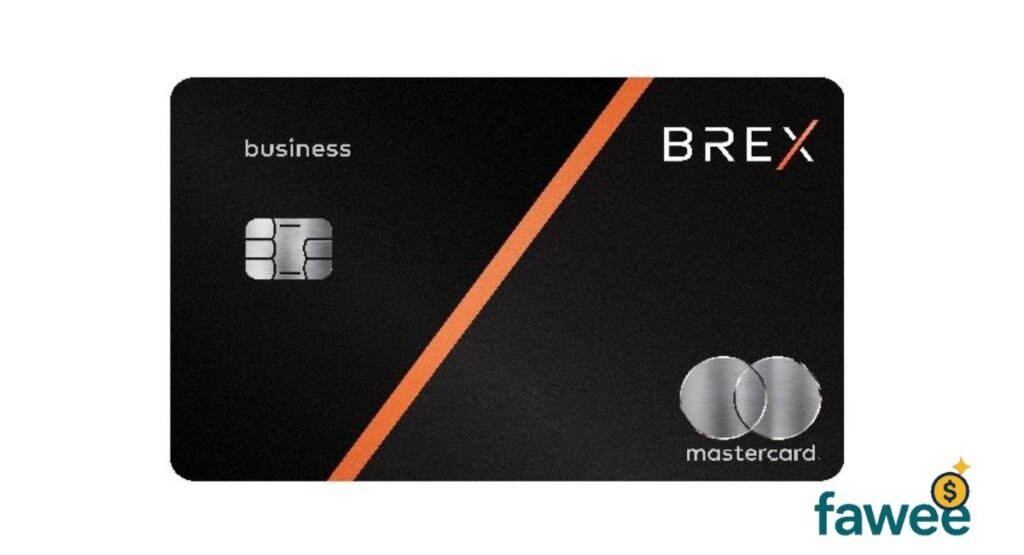
Some small business credit cards for startups stand out for their benefits, approval ease, and modern features. A business credit card startup friendly option often includes tools like expense tracking, virtual cards, and integrations with accounting apps. The table below compares some of the credit cards for new businesses that American startups prefer today.
| Card Name | Best For | Key Feature | Annual Fee |
| Brex Business Card | Tech Startups & Fast-Growing Firms | No personal guarantee, high limits | $0 |
| Chase Ink Business Unlimited® | Everyday Business Spending | 1.5% cash back on all purchases | $0 |
| American Express Blue Business | Travel Rewards & Flexibility | 2x points on common business categories | $0 |
| Capital One Spark 1.5% Cash | New Businesses & Freelancers | Flat 1.5% cash back, easy qualification | $0 |
| Ramp Corporate Card | Expense Automation | Smart controls & integrations | $0 |
Each of these startup credit cards brings something valuable to the table — from generous cashback to easy expense tracking. Choosing the right one helps your business spend smarter, stay organized, and build strong credit with every swipe.
3. How to Evaluate and Compare Cards
Choosing among the best business credit cards for startups requires more than just comparing rewards. Each card has its own mix of fees, interest rates, and approval terms that affect your startup’s finances. A strong startup business credit card should match your company’s growth pattern, not just short-term needs. Always consider total cost, credit limit flexibility, and how payments are reported to credit bureaus. By selecting a card that helps build business credit, you create a foundation for future loans and funding opportunities.
Factors That Make the Right Choice
When you’re choosing a business credit card for your startup, make sure it’s clear, fair, and built to grow with you. The best ones offer perks like 0% intro APR or cashback on things you actually spend on — like ads, travel, and software. Skip any card that hides fees or asks for a high personal guarantee.
Here’s a quick comparison to help you decide:
| Factor | Why It Matters | Ideal for Startups |
| Annual Fee | Affects early cash flow | Prefer $0 or low-fee cards |
| Interest Rate (APR) | Impacts cost of carrying balance | Look for low or 0% intro APR |
| Reporting Policy | Builds company’s financial reputation | Must report to business credit bureaus |
| Reward Type | Adds value to regular spending | Cashback or points on essential expenses |
| Approval Flexibility | Helps young startups qualify easily | Minimal credit history requirement |
Evaluating cards carefully helps you avoid financial stress later. Once you find a card that aligns with your spending style and business goals, you’ll have a reliable partner for growth instead of just another payment tool.
4. Building Business Credit Through These Cards
A strong credit profile is one of the biggest advantages of using the best business credit cards for startups wisely. Every payment you make shapes your company’s reputation with lenders and investors. Responsible use of startup business credit cards helps you separate personal and business finances while proving your reliability over time. When you build business credit, you open doors to higher limits, better interest rates, and easier access to capital—key ingredients for scaling any startup in the USA.
How Credit Cards Help Establish a Business Profile
When managed properly, small business credit cards for startups report your activity to commercial credit bureaus like Dun & Bradstreet or Experian Business. This consistent reporting builds credibility for your company instead of linking it to your personal credit. Many credit cards for new businesses also include online dashboards where you can monitor payment history and credit utilization. Always pay bills on time and keep balances below 30% of your limit to show strong financial discipline. Over time, a business credit card startup friendly product turns into a strategic growth tool—helping you earn trust, attract funding, and secure partnerships with confidence.
5. Common Pitfalls and How to Avoid Them
Even great startup credit cards can turn risky if you’re not careful. Overspending or missing payments can easily hurt your credit and make it harder to get funding later. Think of your card as a business tool — not free money. Keep a budget, track what you spend, and stay on top of your statements.
Avoiding Costly Credit Card Mistakes
Avoid carrying high balances—interest builds fast and cuts profits. Don’t apply for multiple credit cards for new businesses at once, as it lowers your score. Pick one business credit card startup friendly option that fits your goals and stick with it. Review rewards yearly and adjust if better terms appear. Smart, steady use keeps your card a true financial ally.
6. Startup-Specific Strategies for First-Time Business Card Users
Getting your first business credit card feels pretty exciting, you know? But honestly, how you use it matters way more. The best ones for startups aren’t just about spending — they kinda help you build a real credit record if you handle them right. Just pay on time, don’t overspend, and maybe plan how you’ll use the rewards. Do that, and yeah… it can actually become a solid tool for long-term growth.
Smart Habits That Strengthen Financial Growth
Separate personal and business spending to build business credit effectively. Keep balances low and pay before deadlines. Pick a business credit card startup friendly that suits your routine expenses like ads or software. Avoid juggling too many credit cards for new businesses—a steady record with one strong card boosts trust and supports future funding.
7. Case Studies / Examples
Real stories show how the best business credit cards for startups can fuel growth. A tech founder used startup business credit cards for software and ads, helping her build business credit and gain investor trust within months.
Lessons from Startup Success Stories
A small agency in Austin grew faster using small business credit cards for startups with cashback rewards. A logistics firm chose a business credit card startup friendly for expense tracking, improving control and saving costs. The right credit cards for new businesses turn spending into strategy and small wins into big growth.
8. Regional & International Considerations
Startups outside the U.S. must check which of the best business credit cards for startups are available in their country. Some banks limit access or require local registration. Always review currency conversion fees, global rewards, and eligibility rules before applying for startup business credit cards abroad.
Global Card Availability
While American startups enjoy a wide range of small business credit cards for startups, international founders may need regional alternatives. Look for a business credit card startup friendly that supports cross-border transactions and reports to local credit bureaus. This ensures your company can still build business credit and expand globally without payment issues.
9. Conclusion & Next Steps
Choosing the best business credit cards for startups is more than a financial decision—it’s a strategy for growth. The right startup business credit card helps manage expenses, earn rewards, and build business credit faster. Always pick a business credit card startup friendly that matches your goals and spending style. With smart use and consistency, your credit card becomes a foundation for long-term success.