
Introduction
0% balance transfer cards are kinda like a short break from paying interest. You move your old debt onto one of these cards, and for a while — no interest. So, every payment actually cuts down your balance instead of feeding the bank. With a good plan (and a bit of discipline), you can save a nice chunk of money, maybe boost your credit score too, and just… feel a bit more in control.
What a “0% Balance Transfer” Credit Card Really Means
Understanding the Concept “0% balance transfer credit cards”
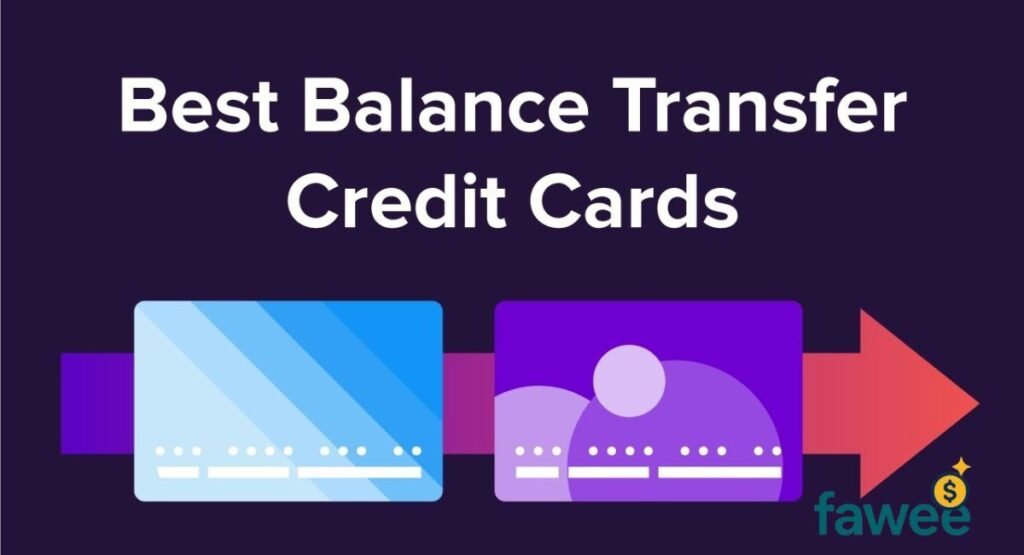
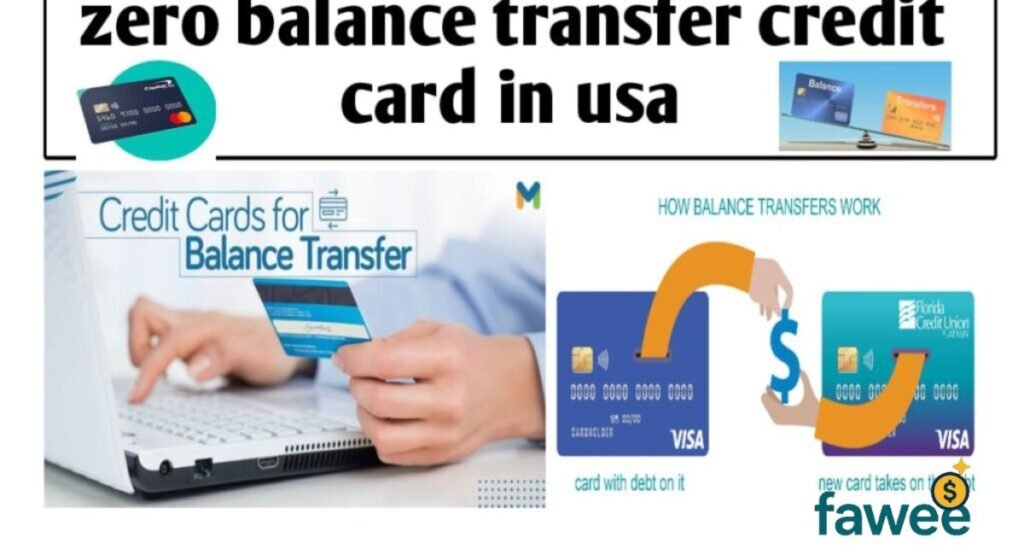
A 0% balance transfer card, in simple terms, lets you move your old credit card debt to a new one — without paying interest for a while. So yeah, it’s kinda like pressing pause on interest charges while you catch up on payments.
How the 0% Intro APR Works
During that intro period, you don’t pay interest on the balance you moved over. Usually, it lasts anywhere from 12 to 21 months. After that, the regular (and often high) APR kicks in. I’ve seen people get caught off guard there — so always check the end date.
Why Banks Offer Them
Banks aren’t doing this out of kindness. They’re hoping you’ll stick around after the promo ends or maybe miss a payment. They still earn from transfer fees and future interest. But hey, if you manage it right, you win too.
Who Benefits the Most
These cards are best for folks juggling multiple debts or tired of paying crazy interest every month. If you stay consistent and pay on time, it actually helps boost your credit score. Been there myself — discipline really pays off.
Example of How It Works
Let’s say you owe $5,000 on a card charging 20% interest. If you move it to a 0% balance transfer card with an 18-month offer and pay it off in time, you could save around $900 in interest. Pretty sweet deal, right?
How to Identify the Right 0% Balance Transfer Offer for You
Know Your Financial Goal
Before applying for 0% balance transfer credit cards, ask yourself what you want to achieve — faster debt payoff, lower monthly payments, or consolidating balances. Knowing your goal helps you choose a card with the right introductory APR and repayment period.
Check the Length of the 0% Period
Not all offers are equal. Some cards offer 12 months, while others stretch to 21 months of no interest. If your debt is larger, a longer 0% APR period gives more breathing room to repay without stress or extra charges sneaking in.
Compare Balance Transfer Fees
Even the best 0% balance transfer credit cards often charge balance transfer fees — usually 3% to 5% of the transferred amount. A lower fee means more of your payment goes toward reducing the debt instead of costs.
Review Eligibility and Credit Requirements
Most top 0% balance transfer offers are for people with good to excellent credit scores. Before applying, check your credit report and fix any errors. A score above 700 often improves approval chances and unlocks better promotional terms.
Avoid Mixing New Purchases
It’s tempting to swipe the new card, but new purchases usually don’t qualify for the 0% APR deal. Focus on clearing your transferred balance first. Mixing new spending with old debt can trigger interest and delay your financial progress.
How to Identify the Right 0% Balance Transfer Offer for You
Know Your Financial Goal
Before jumping in, think about what you actually want from the card. Are you trying to pay off debt faster? Lower your monthly payments? Or maybe just combine everything into one? Once you’re clear on that, picking the right card — with the right intro APR and time frame — gets a lot easier.
Check the Length of the 0% Period
All offers aren’t the same. Some last 12 months, others go up to 21. If you’ve got a bigger balance, that extra time can really help. More months = more breathing room. No rush, no added stress.
Compare Balance Transfer Fees
Even with “0%,” most cards still charge a transfer fee — usually around 3% to 5%. Not huge, but it adds up. The lower that fee, the more your payments actually go toward killing off the debt instead of covering costs.
Review Eligibility and Credit Requirements
These cards are mostly for folks with solid credit — good to excellent. If your score’s around 700 or above, you’ve got a better shot. I’d say check your credit report first and fix anything off before you apply. Saves time and surprises later.
Avoid Mixing New Purchases
Yeah, I know it’s tempting to start using your shiny new card. But don’t. New purchases usually don’t get that 0% deal. Stick to paying off what you transferred. Mixing the two can mess up your plan and bring the interest right back.
Top 5 Hidden Costs and Traps to Watch Out For
Balance Transfer Fees Add Up Fast
Even though 0% balance transfer credit cards sound free, they usually include balance transfer fees between 3% and 5%. If you transfer $5,000, you might pay up to $250 right away. Always calculate whether the savings on interest outweigh that upfront cost.
Intro Period Doesn’t Last Forever
The introductory APR is temporary. Once it ends, your balance may face a regular APR of 18% or more. Missing just one payment can also void the 0% APR, making your debt more expensive overnight — a trap that catches many unaware.
New Purchases Aren’t Interest-Free
Don’t assume every swipe enjoys the 0% APR treatment. Most cards apply that offer only to transferred balances. Any new purchases can start collecting interest immediately unless you pay them off in full each month.
Late Payments Trigger Penalties
One missed payment can wreck your credit score and cancel your promotional rate. Lenders see it as risky behavior. Always automate payments or set reminders to keep your account in good standing and your 0% balance transfer credit card benefits intact.
Hidden Fine Print and Restrictions
Some banks won’t let you transfer debt between their own cards. Others may limit how much you can transfer based on your credit limit. Reading the fine print ensures you don’t face unpleasant surprises after approval.
A Realistic Payoff Schedule: How to Use the 0% Window Effectively
Create a Clear Payment Plan
The best way to really get something out of a 0% balance transfer card? Start planning from day one. Just take your total balance and split it by the number of months you’ve got interest-free — that’s your sweet spot for monthly payments. And seriously, pay on time. It keeps your credit score happy and saves you from those annoying late fees or surprise charges later.
Focus on Full Repayment
Don’t just aim for minimum payments — that’s where people go wrong. If you owe $6,000 and have an 18-month introductory APR offer, paying about $334 each month clears your balance before the rate resets. This simple strategy keeps your 0% APR advantage intact.
Avoid Adding New Debt
Using your card for new purchases during the 0% APR period can backfire. Those transactions usually don’t qualify for the promo rate and start building interest immediately. Keep your card dedicated solely to your transferred balance until it’s fully paid off.
Track Your Remaining Time
It’s easy to forget when that promo period ends — and then bam, interest shows up. Just mark the date somewhere you’ll actually see it, and try upping your payments a little before it’s over. Staying alert keeps you debt-free and stress-free.
Compare Live Offers: 2025’s Best 0% Balance Transfer Cards (USA Market)
Top Offers with Long Introductory Periods
Some of the top 0% balance transfer credit cards in 2025 are giving really solid intro periods. For instance, the Citi Simplicity® Card lets you go interest-free for 21 months on balance transfers — pretty rare. The Wells Fargo Reflect® Card also gives up to 18 months of 0% APR. Both are great if you just need time to breathe and focus on paying down debt without interest breathing down your neck.
Low Fee and No Annual Fee Options
If you’re all about cutting costs (and who isn’t?), look at cards like the Chase Slate Edge® or BankAmericard®. No annual fees, and the transfer fees are lower than most. That means more of your money actually goes toward shrinking your balance — not feeding the bank. A quick comparison of these small details can save you a good chunk over time.
Best for Different Credit Profiles
Not everyone gets the same deals. If your credit’s excellent, you’ll probably qualify for longer 0% APR periods and smaller fees. But even with fair credit, you’re not out of luck — the Discover it® Balance Transfer is still a solid choice. It offers cash-back rewards and tools to help you stay on track with debt. Just make sure to check eligibility before hitting “apply.”
Comparison Table: 2025 Highlights
| Credit Card | 0% APR Duration | Balance Transfer Fee | Annual Fee | Best For |
| Citi Simplicity® | 21 months | 5% | $0 | Longest intro period |
| Wells Fargo Reflect® | Up to 18 months | 3% | $0 | Flexible repayment |
| Chase Slate Edge® | 18 months | 3% | $0 | Rebuilding credit |
| BankAmericard® | 21 months | 3% | $0 | Simple structure |
| Discover it® Balance Transfer | 18 months | 3% | $0 | Rewards & transfers |
When a 0% Balance Transfer Card Isn’t the Best Move
If You Can’t Pay Off the Balance in Time
A 0% balance transfer credit card sounds like the perfect fix — until that intro period runs out. Once it ends, the regular APR (often 18% or more) kicks in fast. If you’re not sure you can pay it off before that happens, it might do more harm than good. I’ve seen people save for a while, then lose it all once interest comes back.
When Your Credit Score Is Low
The truth is, the best 0% offers go to folks with solid credit — usually above 700. If your score’s below that, you might get denied or stuck with a shorter term and higher fees. In that case, a debt consolidation loan or a low fixed-rate card could make more sense. It’s better to pick something realistic than to chase offers you can’t qualify for.
If Fees Outweigh the Benefits
Here’s the catch: balance transfers aren’t totally free. Let’s say you move $10,000 and there’s a 5% fee — that’s $500 gone right away. If the interest you save isn’t much higher than that, the math just doesn’t work. Always do a quick cost check before jumping in.
When New Spending Is Tempting
If you tend to swipe without thinking (we’ve all been there), this type of card can backfire fast. New purchases usually don’t count toward the 0% deal. So if you mix them in, you’ll start paying interest sooner than expected. These cards really only work if you stay laser-focused on paying down what you transferred.
International / Non-USA Markets: What to Check (and How They Differ)
Different Financial Regulations and Banking Systems
Outside the U.S., things work a little differently. 0% balance transfer credit cards aren’t always under the same rules. In places like the U.K., Australia, or Canada, the intro periods are often shorter — and fees can change from bank to bank. Some countries even cap promo rates or ask for extra proof of income before they approve you. It’s all tied to local banking laws, so don’t assume what works in the U.S. works everywhere else.
Currency and Exchange Rate Considerations
If you’re moving debt between currencies, slow down and read the fine print. Banks can tack on foreign transaction fees or adjust your limit to cover exchange risks. For example, shifting a USD balance to a GBP-based card might look fine at first — until rates move and your interest changes. Always check how your lender handles cross-currency transfers; it can save you a nasty surprise later.
Availability and Local Options
In many non-U.S. markets, big names like HSBC, Barclays, and Standard Chartered still offer limited-time 0% APR deals. But smaller banks sometimes skip the “0%” label and go with a low fixed rate instead. Depending on your credit and location, that might actually be the smarter pick. Comparing local offers side-by-side gives you a clearer idea of what really fits your budget and timeline.
Post-Intro Period Strategy: What to Do When the 0% Rate Ends
Plan Ahead Before the Introductory Period Expires
0% balance transfer cards can be a huge help, but that relief doesn’t last forever. Once the intro period ends, any remaining balance starts earning regular interest — often above 20%. Set a reminder at least a month before so you’re ready to act in time.
Pay Off or Transfer Again
If the remaining balance feels manageable, clear it completely before the rate resets. However, if paying it all isn’t possible, consider applying for another 0% APR offer to continue interest-free payments. This approach works best for borrowers with strong credit scores, since banks reward reliable payment behavior with better terms.
Negotiate with Your Lender
Some credit card issuers may extend lower rates or provide hardship programs if you contact them early. Explain your payment history and request a temporary reduction in the regular APR. Taking initiative shows responsibility and can save you hundreds in interest.
Avoid Closing the Account Immediately
After you’ve paid off your balance, don’t be in a hurry to close the card. Keeping it open helps your credit utilization ratio and supports a healthy credit score. Just store it safely and use it once in a while for small purchases.
Credit Score & Behavior: How Using a 0% Card Can Boost (or Hurt) Your Score
Improve Credit Utilization Through Smart Repayment
Used the right way, 0% balance transfer credit cards can actually help your credit score. When you pay off old debt without extra interest piling up, your overall balance drops — and that lowers your credit utilization ratio. Lenders love seeing that number below 30%. It tells them you’re handling your money well and not maxing out your cards.
Timely Payments Build Trust with Lenders
Every on-time payment is like a small thumbs-up to your credit history. During your 0% intro period, those consistent payments really matter. They show discipline and reliability — two things lenders notice fast. But if you miss one or pay late, you could lose the promo rate and take a hit on your score. Not worth the risk for a few days’ delay.
Avoid Closing Old Accounts Too Soon
Once you transfer your balance, it’s tempting to shut down the old card and move on. But don’t rush it. Closing that account can shorten your overall credit age and bump up your utilization ratio — both can ding your score. It’s smarter to keep old accounts open (just with zero balance). That way, you protect your credit length and your score.
Don’t Apply for Too Many Cards at Once
Here’s something people forget: every time you apply for a card, it triggers a hard inquiry. Too many in a short time looks risky to lenders and can nudge your score down. Instead, take your time. Compare offers, pick the one 0% APR card that fits best, and stick with it. One solid choice beats a handful of rejections any day.
FAQs & Myths About 0% Balance Transfer Credit Cards
Myth: They’re Completely Free
Not true. Most 0% balance transfer credit cards include balance transfer fees between 3% and 5%. You save on interest but still pay this one-time cost.
Myth: Everyone Qualifies Easily
People with strong credit scores usually get approved for these cards. Lenders like to see a solid payment history and low existing debt before saying yes.
Myth: New Purchases Are Also Interest-Free
The 0% APR typically applies only to transferred balances. New purchases can start earning regular APR from day one unless paid off in full each month.
Myth: You Can Transfer Any Debt
You can’t transfer balances within the same bank. For example, you can’t move debt from one Citi card to another. Always check your card’s introductory APR terms before applying.
Conclusion
0% balance transfer credit cards can be powerful tools when used wisely. They let you escape high-interest debt, simplify payments, and rebuild your credit score. But success depends on discipline — paying on time, avoiding new purchases, and clearing the balance before the introductory APR ends. Handled right, they’re your best shortcut to financial freedom.