
Finding the right credit card with fair credit can feel tricky. High fees, higher APRs, and limited rewards make choosing difficult.
The good news? There are Top Credit Cards for Fair Credit designed to help you build your score, earn rewards, and manage debt.
This guide also covers low interest credit cards, instant approval credit cards, and credit monitoring services to help you improve and protect your credit.
By the end, you’ll know exactly which card fits your financial goals, boosts your approval chances, and strengthens your credit over time.
1. Understanding the Fair Credit Range
What Fair Credit Really Means
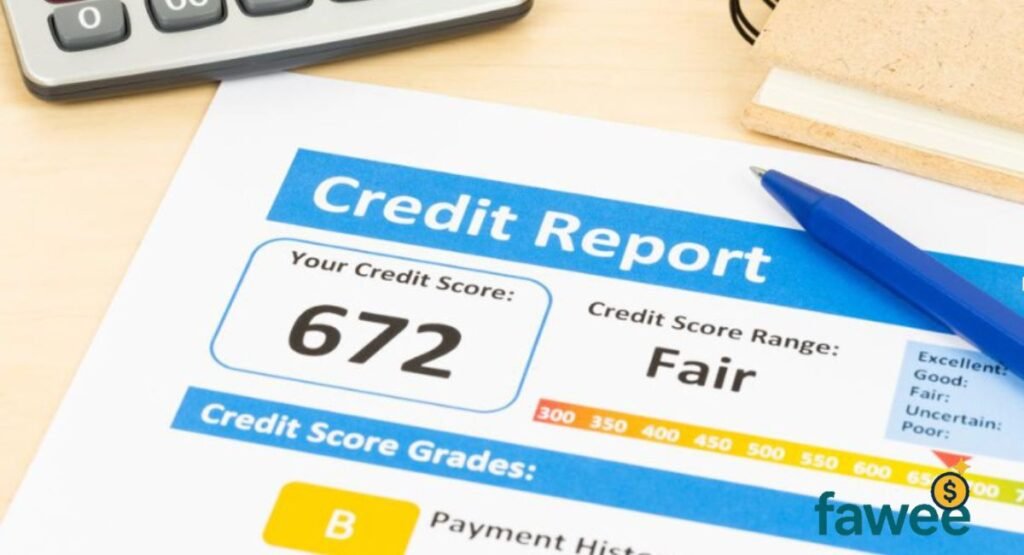
So, fair credit is usually between 580 and 669. It kinda shows you’re on your way to better credit, but you’re not fully there yet. Knowing your score really helps when picking the right credit card for your situation—you don’t wanna choose something that’s too fancy or expensive right now, you know?
How Lenders See Fair-Credit Applicants
Banks usually see folks with fair credit as a bit risky. That affects stuff like your approval chances, interest rates, and how much credit they’ll give you. That’s why some cards are made just for people in this range—they help you build credit slowly and safely. I usually suggest looking for those.
Why Your Score Matters When Choosing a Card
Your score kinda decides which card perks you get—like rewards, fees, or upgrade options. If you know your score, you can avoid high-fee cards and pick one that actually helps you improve over time. Trust me, it makes a big difference.
2. Why Fair-Credit Applicants Need Specialized Credit Cards
Why Standard Cards Don’t Always Fit Fair-Credit Users
Most premium or high-reward cards require good to excellent credit, making approval tough for those in the fair-credit range. That’s why choosing from the Top Credit Cards for Fair Credit gives you access to options designed with reasonable requirements and flexible terms.
How Specialized Cards Support Credit Growth
Fair-credit cards usually come with moderate APRs, low fees, and periodic credit-limit reviews. They’re designed to help you build a stronger payment history and lower your risk over time.
Designed to Improve Approval Chances
Issuers create these cards with fair-credit behavior in mind, offering soft-pull pre-qualification and clearer approval criteria. This makes them ideal for applicants seeking credit cards for average credit without unnecessary rejections or hard inquiries.
3. Essential Features to Look for in Fair-Credit Cards
Reasonable Fees and Manageable APR
Low fees and stable APRs — that’s what fair-credit card seekers should look for to manage costs and boost credit.
Credit-Building Tools and Reporting Benefits
The best cards for fair credit report to all three major bureaus, so your good payments really count. Many also include automatic credit-limit checks and tools to track your score, making them great for building credit.
Rewards and Upgrade Potential
Many credit cards for average credit offer small but meaningful rewards and a pathway to upgrade once your score improves. This ensures you get long-term value while strengthening your financial profile.
4. Types of Credit Cards That Work Best for Fair Credit
Unsecured Starter Cards for Fair Credit Users
These cards don’t need a deposit and are meant for people looking to rebuild or grow their credit. Unsecured starter options usually offer easier approval and flexible features.
Low-Fee or No-Annual-Fee Credit Cards
Many issuers offer cards with minimal fees to make budgeting easier for fair-credit applicants. These credit cards for average credit help you manage costs while still improving your credit standing.
Partially Secured or Hybrid Credit Cards
Some cards require a small deposit but function like unsecured cards, giving more freedom and better approval chances. These credit-building credit cards are ideal for users who want stability while working toward a higher credit tier.
5. Top Benefits of Using a Card Designed for Fair Credit
Build or Rebuild Your Credit Score
Using a credit card made for fair credit can really help you start building a positive payment history. Every on-time payment gets reported to the credit bureaus, and over time, it can slowly push your score up. I usually tell people—it’s all about being consistent, even small payments count.
Earn Rewards and Keep Fees Low
Some fair-credit cards actually give you cashback or points, which is kinda nice. And if you pick one with low fees or a manageable APR, it takes away a lot of stress. You get the perks without feeling like you’re overpaying—pretty handy, right?
Opportunities for Credit Limit Increases
Many cards for fair credit let you increase your limit if you keep up with on-time payments. That’s great because higher limits can improve your credit utilization and make your overall credit profile look stronger. I’ve seen it work for a lot of people—it’s like a little boost for your credit journey.
6. Common Mistakes to Avoid When Applying With Fair Credit
Applying for Too Many Cards at Once
It’s tempting to apply for a bunch of cards at the same time, but that can actually hurt your score. Each application triggers a hard inquiry, which can lower your fair credit score a bit. I usually suggest checking pre-qualification first—it shows your chances without messing with your credit.
Ignoring Fees and High APRs
Even low-fee cards can sneak in high interest if you don’t pay your balance on time. So, always compare APRs and pick something manageable. You don’t wanna end up in unnecessary debt just because the card seemed “good” at first.
Missing Payments or Using Too Much Credit
Late payments and high credit usage can erase all the progress you’ve made. Keep your balances low and pay on time. Seriously, even small consistent steps make a big difference for building your credit and getting approvals in the future.
7. How to Compare Top Fair-Credit Cards Before Applying
Check Fees, APRs, and Rewards
Before picking a card, take a close look at annual fees, interest rates, and rewards programs. Even small differences matter. I usually tell people—finding a low-fee card that fits your spending habits makes life a lot easier.
Look for Credit-Building Features
Go for cards that report to all three credit bureaus and offer starter options for fair credit users. Things like upgrade eligibility and credit limit increases can slowly boost your score over time. It’s the little things that add up.
Pre-Qualification and Approval Chances
Use soft inquiry pre-approval tools to see where you stand. Checking pre-qualification first avoids hard inquiries but still gives a realistic idea of your approval chances. It’s kind of like testing the waters before you dive in.
8. How Fair-Credit Cards Help Strengthen Your Score Over Time
Consistent On-Time Payments
Using Top Credit Cards for Fair Credit responsibly by paying on time builds a strong payment history. Every timely payment improves your credit reporting to bureaus and boosts your fair credit score.
Maintain Low Credit Utilization
Try to keep your balances low compared to your limit — it really helps. Cards that let you increase your credit limit make it easier to lower utilization and improve your score.
Gradual Upgrades and Rewards Benefits
Many fair-credit cards offer upgrade-eligible options and rewards credit cards for fair credit scores. As your credit improves, you can move to cards with better perks, further enhancing your financial profile.
9. Tips to Boost Your Approval Chances With Fair Credit
Keep Credit Utilization Low
Try to keep your balances on fair-credit cards low. Lenders like to see that you’re using credit responsibly, and it can really help improve your approval chances. Even small amounts make a difference over time.
Pay Bills On Time, Every Time
Being consistent with on-time payments is huge. Even one late payment can hurt your chances, so I usually tell people—set reminders or autopay if you need to. Staying punctual really pays off.
Update Income and Pre-Qualification Info
Keep your income information current and check pre-qualification for cards before applying. Soft inquiries let you see your approval chances without hurting your score — it’s a safe way to test the waters.
10. Final Recommendations for Choosing the Right Fair-Credit Card
- Focus on credit cards that help build your credit by reporting on-time payments to all bureaus. That’s really the key to steady improvement.
- Pick cards with low fees, manageable APRs, and some rewards—you get perks without the stress.
- Look for options that let you upgrade or increase your credit limit over time. Little boosts like these can make a big difference in the long run.
- Overall, a smart, strategic approach helps with better credit utilization and higher approval chances. It’s all about thinking ahead a little.